A conversation about halal food has evolved into a broader debate?
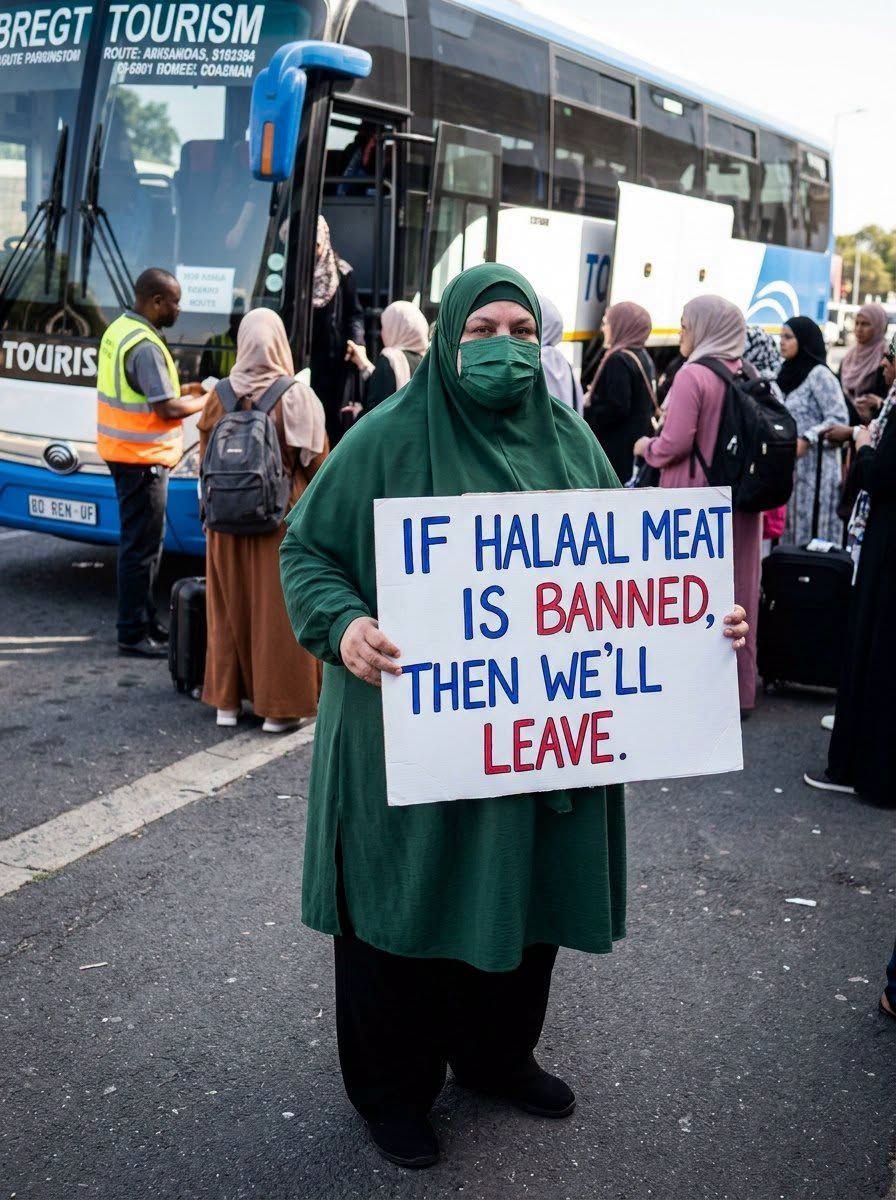
 A conversation about halal food has evolved into a broader debate about religious freedom, cultural traditions, and how diverse societies accommodate different ways of life.
Supporters argue that a nation founded on principles of religious liberty should allow people to practice long-standing faith traditions without unnecessary obstacles. From their perspective, halal food is one of many dietary practices that communities can accommodate while respecting individual beliefs and choices.
Many Muslim families note that halal food is not limited to places of worship or religious celebrations. It is part of everyday life, influencing family meals, school lunches, community gatherings, and local businesses that serve Muslim customers.
Others believe government policies and food regulations should be applied equally to everyone, regardless of religious affiliation. They argue that public institutions should avoid creating rules that appear to favor one faith tradition over another. What makes this discussion important is that it extends far beyond grocery stores, restaurant menus, or butcher shops.
At its heart, the debate centers on whether people can continue practicing traditions that have been part of their families and communities for generations while living in an increasingly diverse society.
For many Muslims, halal food is not simply a dietary preference. It represents a meaningful connection to faith, culture, and identity.
As a result, conversations about halal food often become part of a larger discussion about religious accommodation, cultural inclusion, and how communities balance shared public standards with the freedom of individuals to live according to their beliefs.
Whether people agree or disagree on specific policies, the debate highlights the ongoing challenge of balancing diversity, equality, and religious freedom in modern society.