Should Burning the American Flag Lead to Arrest? Millions of Americans Have Strong Opinions.
“Should Burning the American Flag Lead to Arrest? Millions of Americans Have Strong Opinions.” 🇺🇸
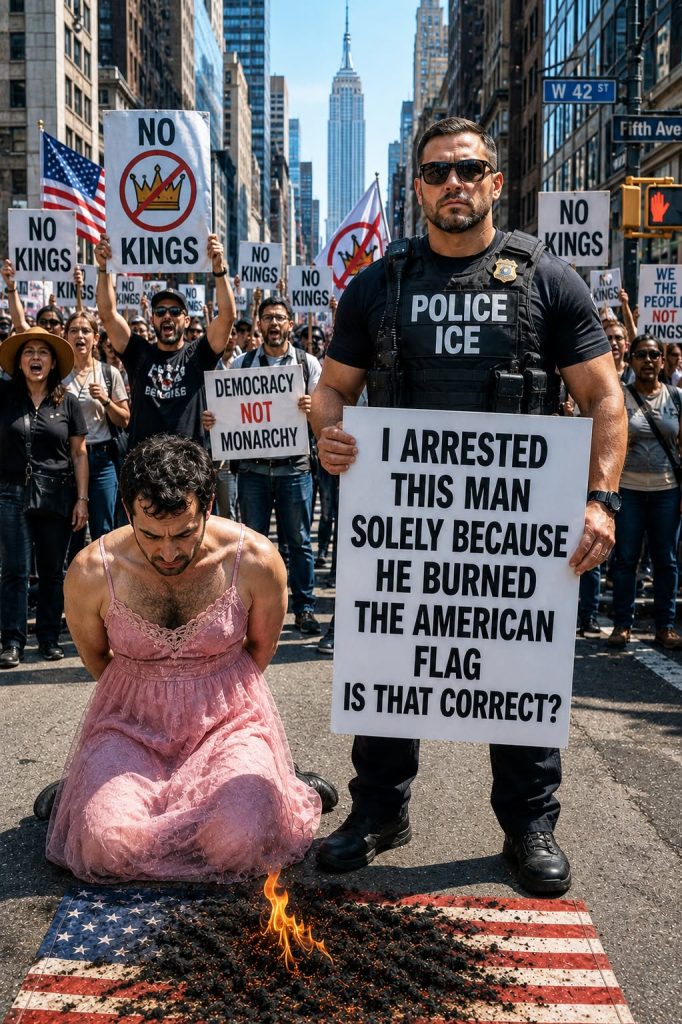 Few issues spark stronger emotions than the American flag. For some, it represents freedom, sacrifice, and the lives of those who served the nation. For others, even controversial acts involving the flag are protected forms of political expression under the Constitution.
This debate has divided Americans for decades—and it continues today.
Before you decide where you stand, read the full story.
🇺🇸 Patriotism, Protest, and the American Flag: Why This Debate Never Ends
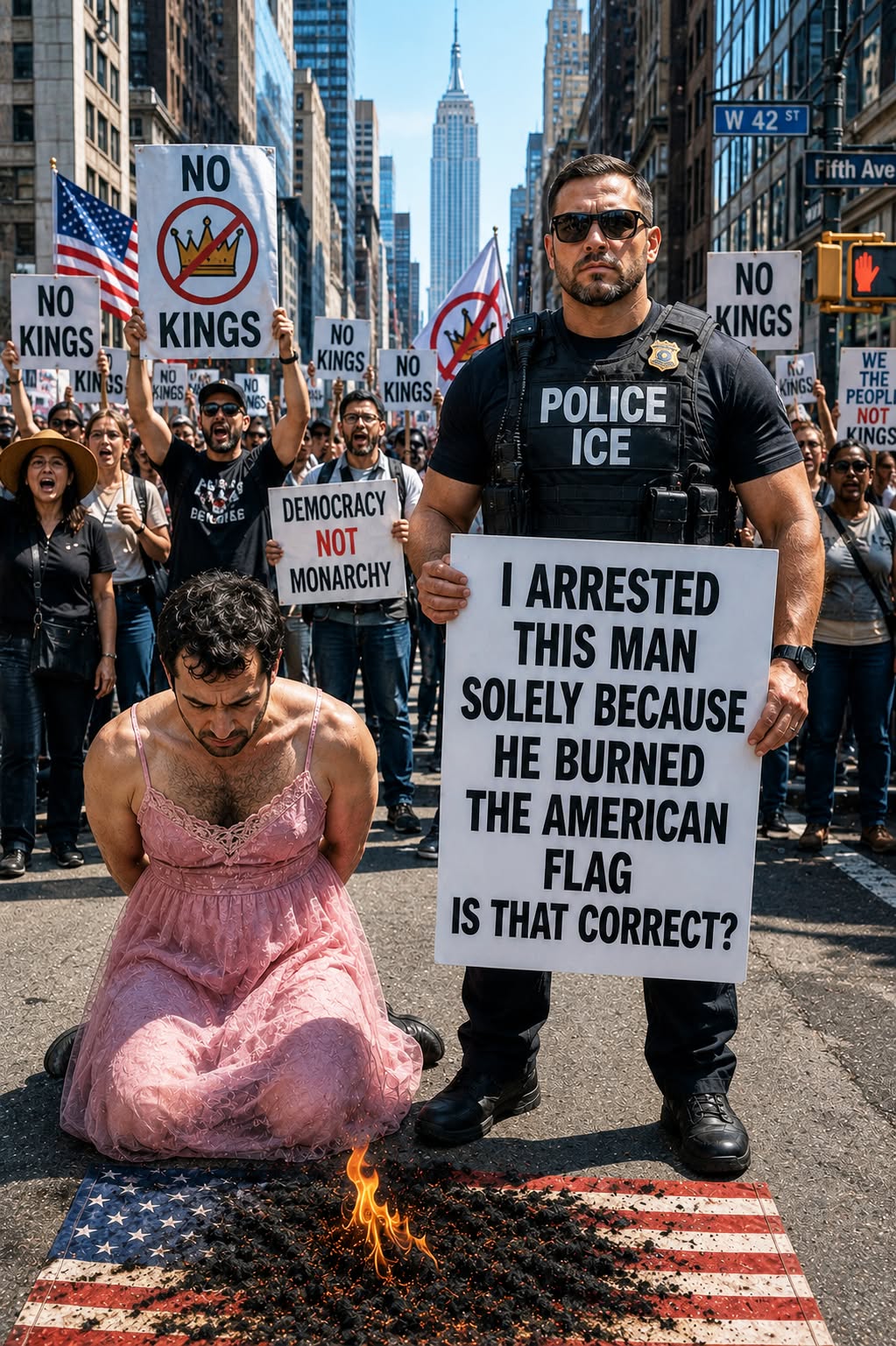
The image raises a question that has been debated across the United States for generations: Should someone be arrested solely for burning the American flag?
For many Americans, the answer seems obvious. The flag is much more than a piece of fabric. It symbolizes the nation’s history, the freedoms protected by the Constitution, and the sacrifices made by generations of service members. Countless veterans, military families, and patriotic citizens view the flag with deep respect, believing it deserves to be honored rather than destroyed.
Many people argue that intentionally burning the American flag is disrespectful to those who fought and died defending the country. From this perspective, such actions are seen as offensive and harmful to national unity, even when intended as political protest.
Others approach the issue differently. They argue that one of the defining principles of the United States is the protection of free speech—even speech that many people strongly disagree with or find offensive. They believe that protecting unpopular expression is part of what distinguishes a free society.
These competing viewpoints have existed for decades.
The legal question has also been addressed in the United States. Under current Supreme Court precedent, flag burning conducted as political expression is generally considered protected speech under the First Amendment, meaning that burning the flag by itself is not typically a criminal offense simply because it is offensive. However, individuals may still face legal consequences if other laws are broken during an incident, such as laws involving trespassing, vandalism, assault, or creating a public safety hazard.
As a result, the debate often extends beyond what the law currently says.
Many Americans ask whether the law should remain as it is or whether stronger legal protections for the flag should exist.
Some believe changing the law would better honor veterans and strengthen national pride.
Others believe limiting political expression—even expression many people dislike—could weaken constitutional freedoms.
The discussion often reflects broader questions about patriotism itself.
What does it mean to love your country?
Is patriotism shown by respecting national symbols?
Is it demonstrated by defending constitutional rights, even when those rights protect controversial actions?
Or can both ideas coexist?
Reasonable people answer these questions differently.
Across the country, people from many political backgrounds continue to debate how best to balance respect for national symbols with the constitutional protections that define American democracy.
One thing remains clear: the American flag continues to hold enormous emotional and symbolic importance. Whether displayed at schools, homes, sporting events, military ceremonies, or memorials, it represents something deeply meaningful to millions of people.
Because of that significance, discussions surrounding the flag are likely to remain among the most passionate conversations in American public life.
Regardless of where someone stands, respectful dialogue helps strengthen civic understanding. Listening to different perspectives does not require agreement, but it can encourage more thoughtful conversations about the values that Americans share and the freedoms that continue to shape the nation.
💬 What are your thoughts?
Do you believe burning the American flag should remain protected political expression under the Constitution, or do you think the law should treat it differently? Share your opinion respectfully and help keep the discussion civil. 🇺🇸