magine Working 40 Years… Only to Lose the Home You Already Paid For.
Imagine Working 40 Years… Only to Lose the Home You Already Paid For.
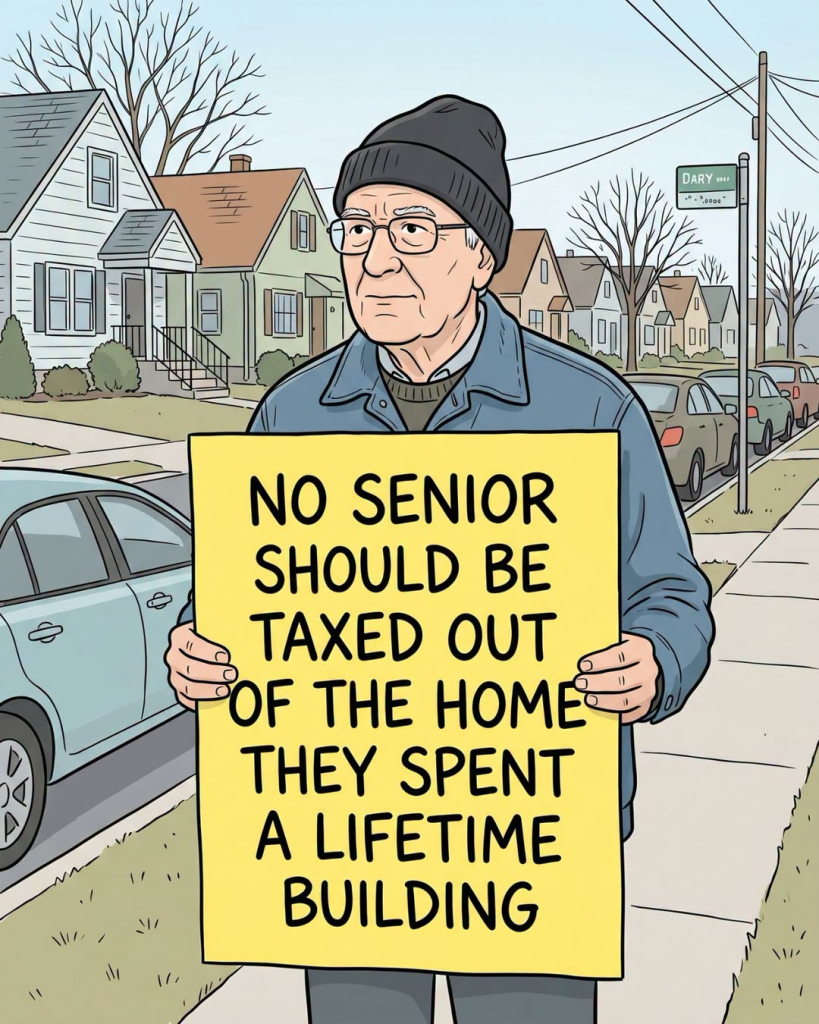 🏡 What if the biggest threat to your retirement wasn’t your mortgage… but the property taxes that never stopped?
Millions of Americans spend decades working, saving, and making sacrifices to own a home. For many seniors, paying off the mortgage is supposed to be the finish line—the reward after a lifetime of hard work.
But what happens when rising property taxes make it difficult to stay in the very home you’ve already paid for?
Should seniors who spent their lives building a home ever have to worry about being priced out of it?
This question has become one of the most emotional debates in America today. Before you decide where you stand, take a few minutes to read the full story below.
🏠🇺🇸 Should Seniors Ever Be Taxed Out of the Homes They Spent a Lifetime Building?
For millions of Americans, a home is much more than a financial investment.
It’s where children took their first steps.
It’s where birthdays were celebrated, holidays were shared, graduations were honored, and memories were created over decades. It’s the place where families gathered around dinner tables, where grandchildren visited during the holidays, and where life’s biggest moments unfolded.
For many older Americans, their home represents an entire lifetime of work.
Some bought their homes when interest rates were high.
Others worked multiple jobs, skipped vacations, delayed new cars, and sacrificed countless luxuries just to make every mortgage payment on time.
Month after month.
Year after year.
Sometimes for thirty or even forty years.
Finally, one day, the mortgage was gone.
The bank no longer owned a piece of the home.
The homeowners believed they had finally reached financial freedom.
Yet for many retirees, another concern remained.
Property taxes.
Every year, local governments continue collecting property taxes in most parts of the United States, even after a mortgage has been completely paid off.
For some homeowners, especially retirees living on fixed incomes, these taxes become increasingly difficult to manage.
Imagine retiring after decades of honest work.
Your paycheck stops.
Your retirement income becomes fixed.
But the value of homes in your neighborhood keeps increasing.
As property values rise, property taxes often increase as well.
Even though you have no intention of selling your home.
Even though your income hasn’t grown.
Even though you’ve already paid for the house.
Some seniors begin asking themselves a painful question:
“Will I eventually be forced to leave the home I’ve owned for decades simply because I can no longer afford the property taxes?”
This concern is becoming more common in communities where home values have risen rapidly.
Many retirees don’t consider themselves wealthy simply because their home’s market value has increased.
On paper, they may appear to own valuable property.
In reality, they may be living on Social Security, pensions, retirement savings, or modest fixed incomes that don’t rise as quickly as taxes and living expenses.
For these homeowners, increasing property taxes can create genuine financial stress.
Supporters of tax relief argue that seniors who have spent their entire working lives paying mortgages, income taxes, sales taxes, and property taxes deserve greater protection during retirement.
Some believe homeowners over a certain age should receive significant property tax reductions.
Others support freezing property tax assessments once homeowners reach retirement age.
Some propose exemptions for primary residences owned by seniors who have lived in the same home for many years.
Their argument is simple.
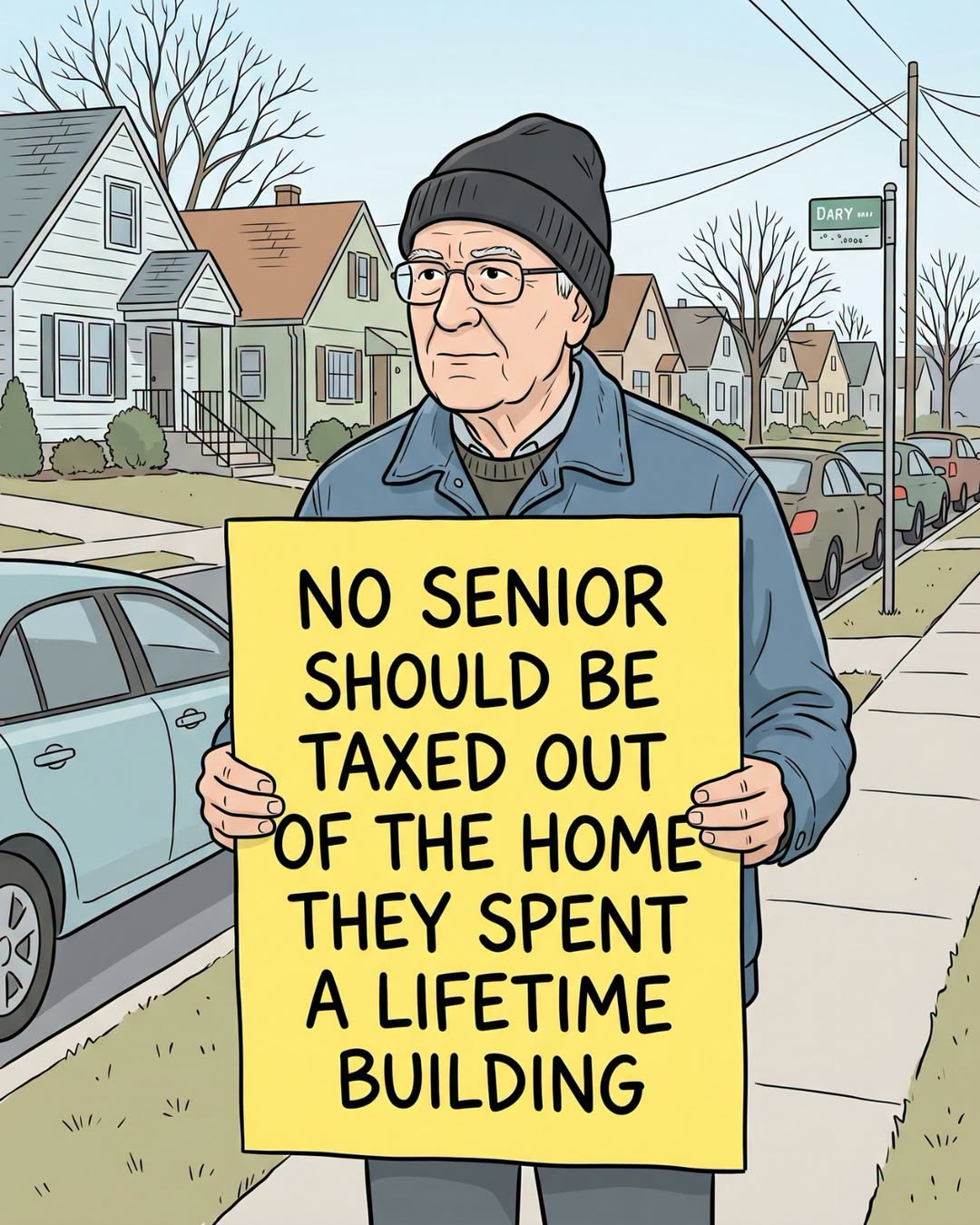
No senior should spend decades building a life in one home only to worry about losing it because annual taxes continue increasing.
At the same time, others point out why property taxes exist.
These taxes help fund essential community services such as:
🏫 Public schools
🚒 Fire departments
🚓 Police protection
🚑 Emergency medical services
🛣️ Roads and bridges
🌳 Parks and recreation
📚 Libraries
💡 Local infrastructure and neighborhood improvements
Supporters argue that communities still require these services regardless of a homeowner’s age or mortgage status.
Without property tax revenue, cities and counties would likely need to raise money through other taxes or reduce public services that benefit everyone.
This is why the issue remains complicated.
It isn’t simply about whether taxes are good or bad.
It’s about finding a balance between maintaining public services and ensuring that older Americans aren’t financially pushed out of homes they’ve owned responsibly for decades.
Across the country, some states already offer programs designed to help.
These include homestead exemptions, senior tax freezes, veteran exemptions, and tax credits that reduce the burden for qualifying homeowners.
However, eligibility and benefits vary widely depending on where someone lives.
Many people believe additional reforms should be considered as America’s population continues to age.
Others believe the current system works reasonably well with targeted assistance programs.
No matter where someone stands, one fact is difficult to ignore:
The home often represents a family’s largest investment and a lifetime of sacrifice.
For many seniors, it’s not just a piece of property.
It’s their history.
Their memories.
Their independence.
Their security.
The conversation about property taxes is ultimately about more than numbers on a tax bill.
It’s about dignity in retirement.
It’s about protecting people who spent decades contributing to their communities.
And it’s about deciding what fairness should look like after a lifetime of hard work.
Whether someone believes property taxes should continue unchanged, be reduced for seniors, or be replaced with another funding system, the discussion affects millions of American families today—and millions more in the future.
One thing is certain:
America’s senior homeowners have earned the right to be part of this conversation.
💬 What do you think?
Should senior citizens who have fully paid off their homes receive major property tax reductions or exemptions, or should property taxes continue the same for everyone? Share your opinion respectfully in the comments. 🇺🇸🏠