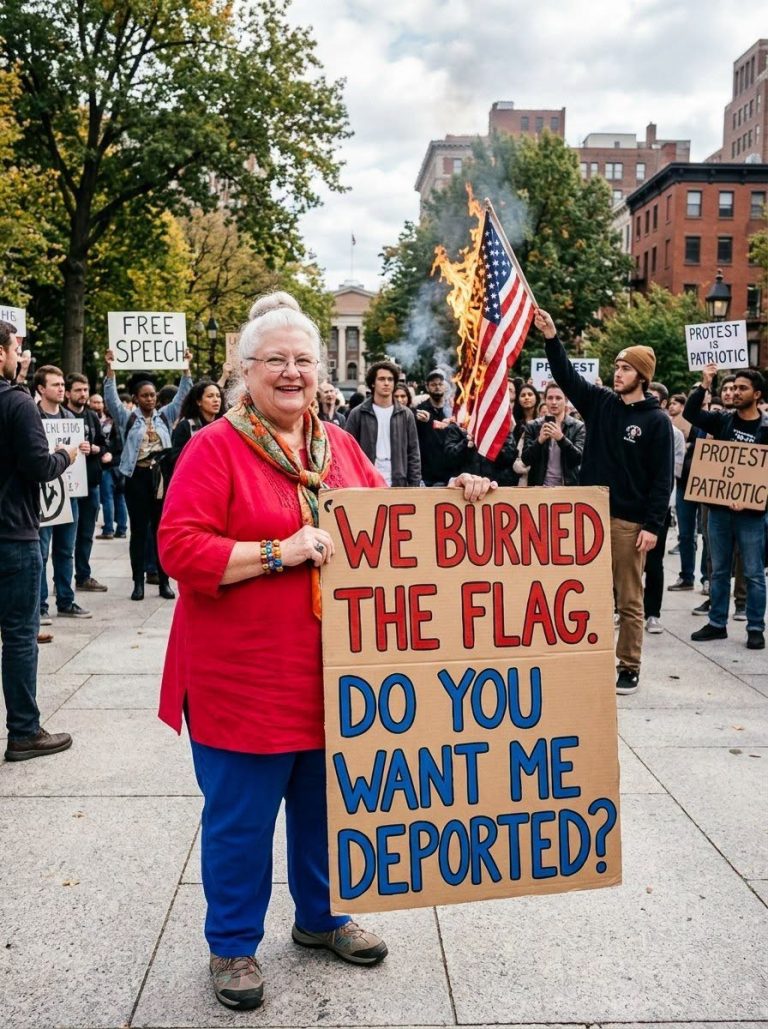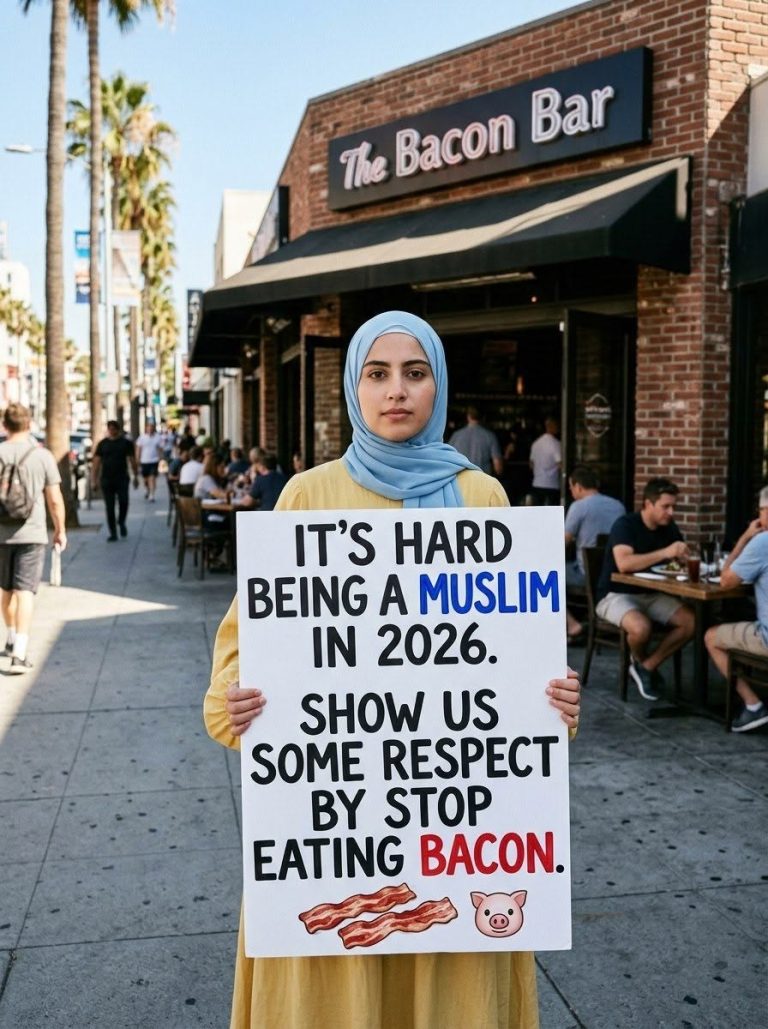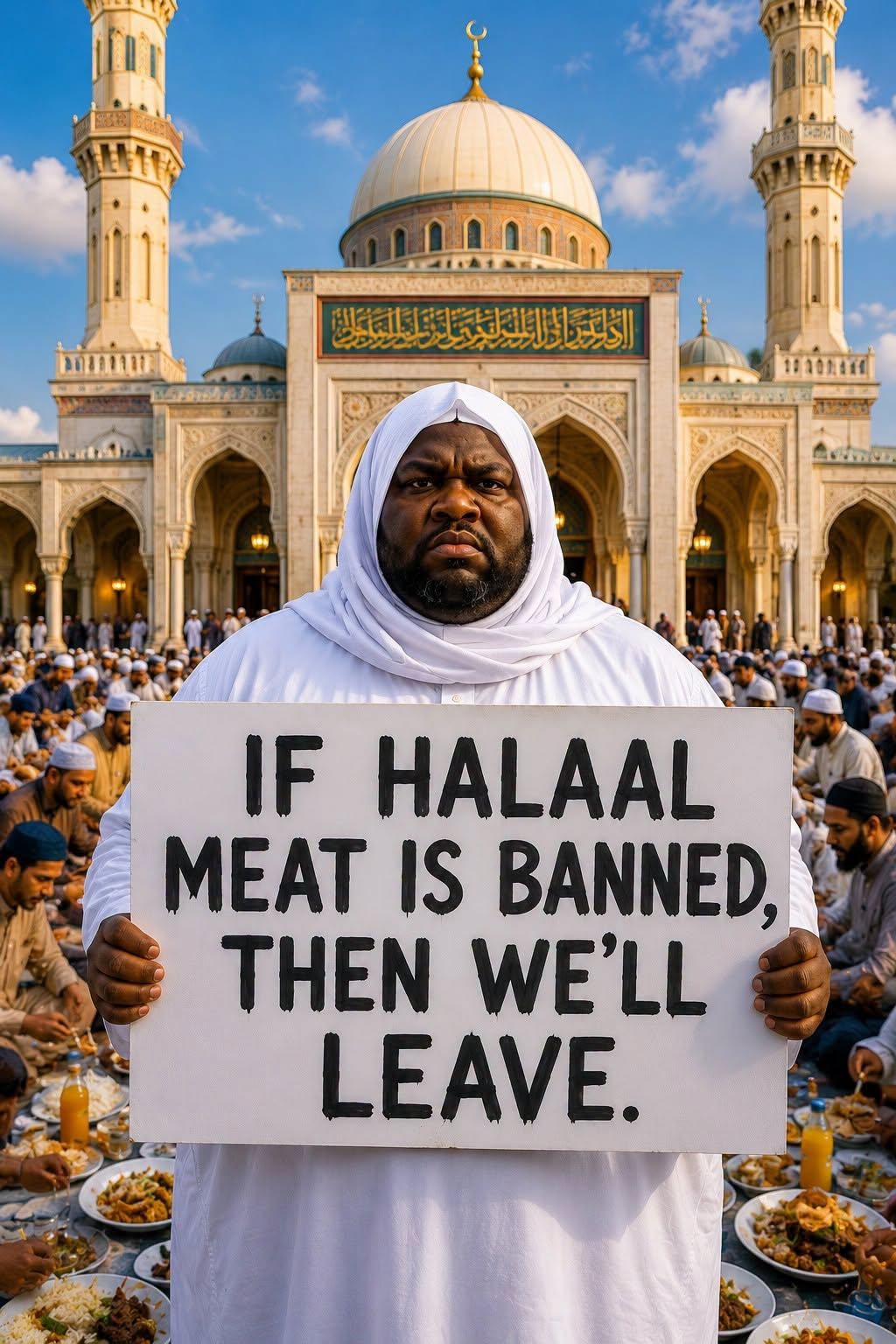
“Should Countries Protect Halal Food Choices, or Should Everyone Follow the Same Rules? The Debate Is Growing Worldwide.” 🌍
“Should Countries Protect Halal Food Choices, or Should Everyone Follow the Same Rules? The Debate Is Growing Worldwide.” 🌍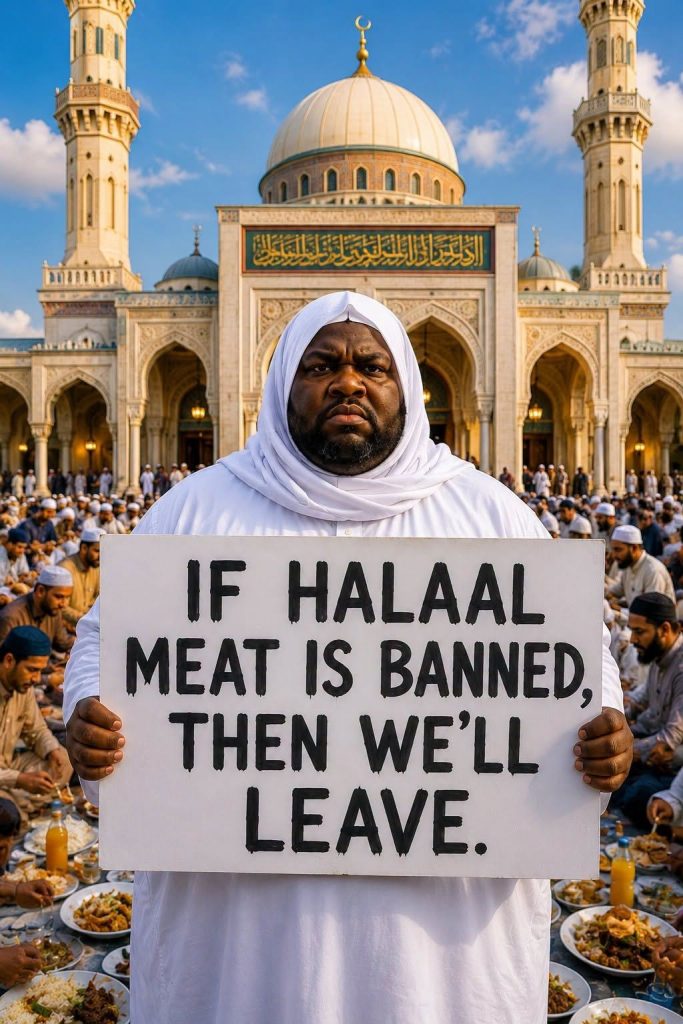
Food is more than just nutrition—it can reflect culture, religion, family traditions, and personal identity. As societies become more diverse, discussions about religious dietary practices, including halal and kosher food, continue to emerge in many countries.
This image expresses one perspective on that issue. Before forming an opinion, it’s worth exploring the broader conversation.
🍽️ Religious Freedom, Food Choices, and Living in a Diverse Society
The message in this image raises a question that has become part of public discussions in several countries: How should governments and communities balance religious dietary practices with national laws and food regulations?
For many Muslims around the world, eating halal food is an important part of practicing their faith. Halal dietary guidelines influence how food is prepared, processed, and consumed. Similarly, many Jewish people follow kosher dietary laws, while others choose vegetarian, vegan, or other diets based on personal beliefs, health, or ethics.
In countries with diverse populations, restaurants, grocery stores, schools, and workplaces often provide multiple meal options to accommodate different dietary needs. This approach allows people to make personal choices without requiring everyone to eat the same foods.
At the same time, some countries have adopted laws or regulations affecting certain methods of animal slaughter, often citing concerns about animal welfare. These policies have sometimes led to public debate because they may affect the availability of halal or kosher meat.
Supporters of such regulations argue that governments have a responsibility to establish standards they believe improve animal welfare. They view these rules as applying equally to everyone, regardless of religion.
Others believe that restrictions on halal or kosher food can make it more difficult for people to practice their religion. From this perspective, they argue that protecting religious freedom includes allowing communities to obtain food prepared according to their beliefs whenever possible.
These discussions often involve balancing several important principles:
- Religious freedom.
- Equal treatment under the law.
- Animal welfare.
- Consumer choice.
- Public policy.
Different countries have reached different conclusions based on their legal systems, cultural traditions, and constitutional protections.
In many democratic societies, debates like these are resolved through legislation, court decisions, and public discussion rather than through confrontation. People may disagree strongly about the best approach, but respectful dialogue helps communities consider different perspectives while seeking practical solutions.
Ultimately, the broader question extends beyond one type of food.
It asks how societies with people from many different backgrounds can protect individual freedoms while also maintaining laws that apply fairly to everyone.
Reasonable people may reach different conclusions about where that balance should be. What remains important is discussing these issues respectfully, recognizing that individuals hold sincere beliefs shaped by their experiences, values, and traditions.
💬 What do you think?
Should governments make accommodations for religious dietary practices such as halal and kosher food when possible, or should one uniform standard apply to everyone? Share your thoughts respectfully and help keep the discussion constructive.