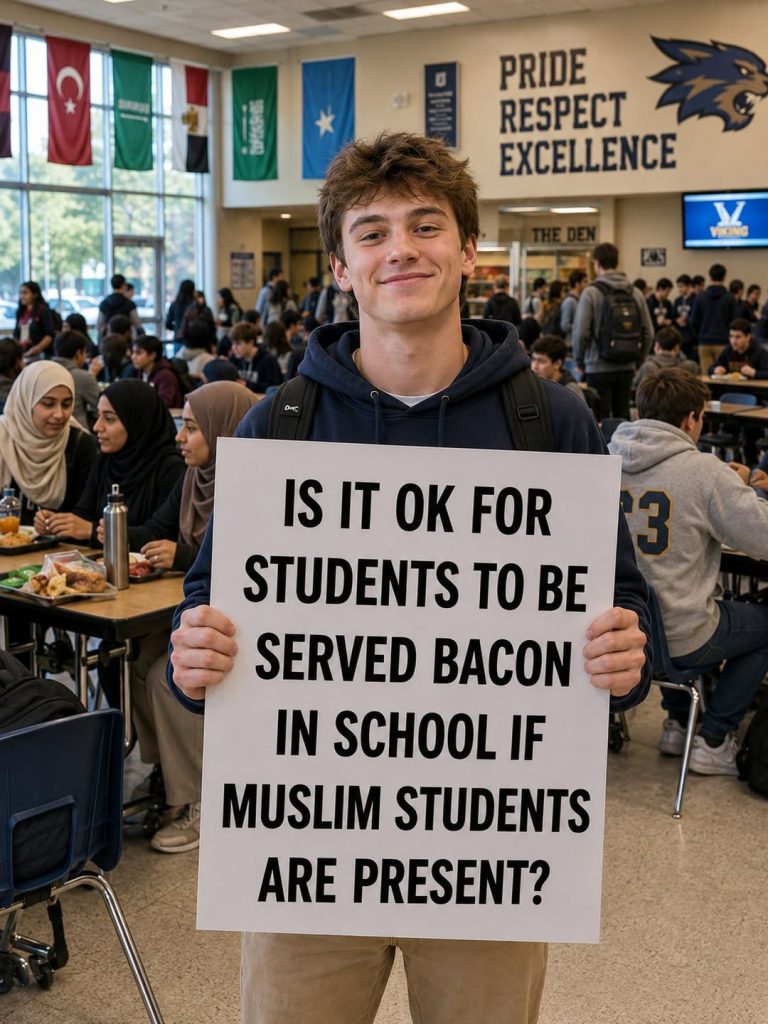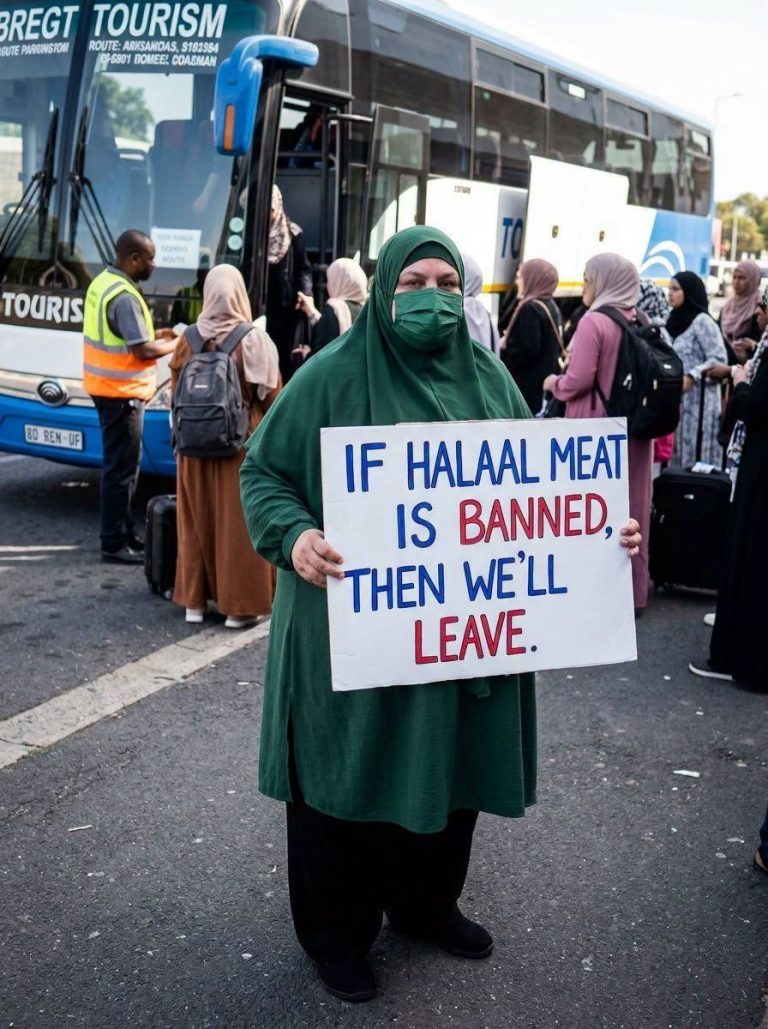
Should Schools Remove Bacon to Respect Religious Beliefs? Americans Are Divided on This Question.” 🥓🇺🇸
“Should Schools Remove Bacon to Respect Religious Beliefs? Americans Are Divided on This Question.” 🥓🇺🇸
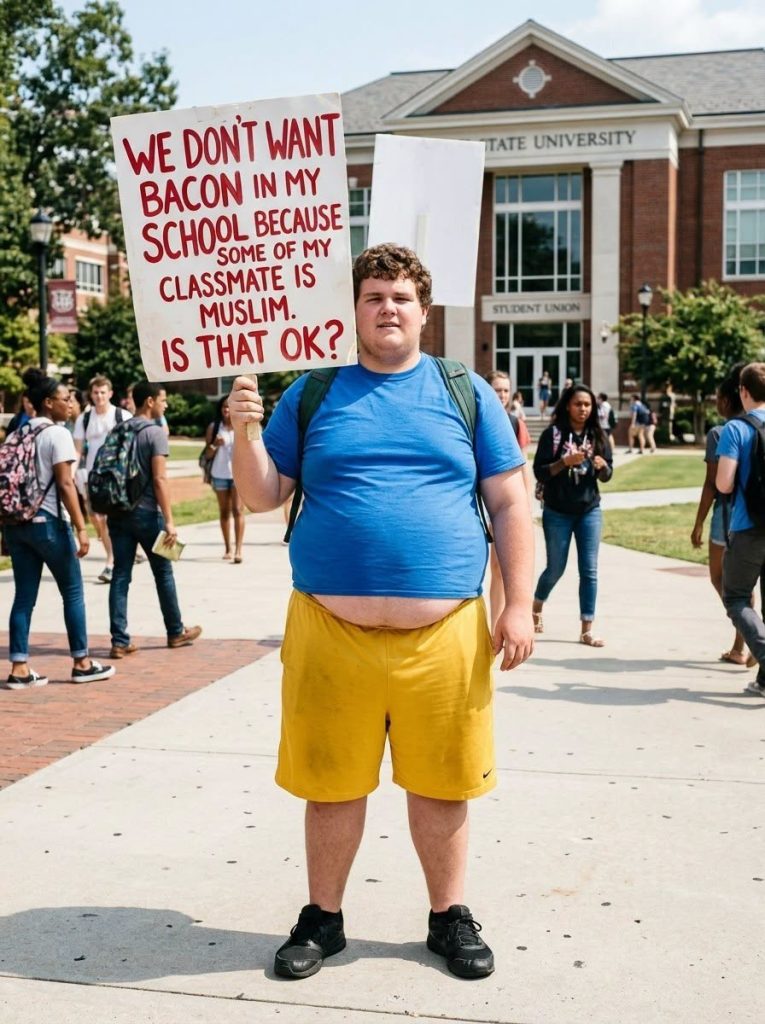 A school breakfast menu might not seem like something that could spark a nationwide debate—but for many Americans, it raises important questions about religious freedom, personal choice, parental rights, and how public schools should serve increasingly diverse communities.
Should schools stop serving bacon if some students don’t eat pork for religious reasons? Or should schools simply offer alternative meal options while allowing everyone the freedom to choose?
Before you decide, read the full story.
🏫🥓 Bacon in School Cafeterias: Finding the Balance Between Choice and Respect
Across the United States, public schools serve millions of students every day. Those students come from countless backgrounds, cultures, and faiths. Some eat everything on the menu, while others avoid certain foods because of religion, allergies, health concerns, or personal preferences.
One food that often becomes part of this discussion is bacon.
For many families, bacon is simply a traditional breakfast item that has been served in homes and school cafeterias for generations. For others, including many Muslims and Jews, pork is not eaten because of long-standing religious dietary practices. This difference has led to an ongoing conversation about what public schools should do.
Some Americans believe schools should continue serving bacon just as they always have. They argue that public schools should provide a variety of foods, and students who do not eat pork can simply choose another option. From this perspective, respecting religious beliefs does not require removing foods that others enjoy.
Others believe schools should be especially mindful of creating an environment where every student feels included. Rather than eliminating bacon entirely, they often support offering alternative breakfasts—such as turkey bacon, beef sausage, eggs, fruit, cereal, yogurt, or vegetarian meals—so that every student has an appealing choice.
Many school districts already follow this approach.
Instead of forcing one menu on everyone, cafeterias frequently provide multiple options that allow students and parents to make decisions based on their own beliefs and dietary needs. This system aims to respect individual freedom while recognizing the diversity of today’s classrooms.
The conversation also touches on larger questions about public education.
Should schools adapt menus as student populations change?
How much responsibility do public institutions have to accommodate different religious practices?
Can schools respect religious diversity without limiting the choices of other students?
Reasonable people answer these questions in different ways.
Supporters of maintaining traditional menu options often emphasize personal responsibility and freedom of choice. They believe no student is required to eat bacon, just as no student is required to choose vegetarian meals or other foods they dislike.
Those who advocate for broader accommodations emphasize inclusion and accessibility. They believe offering meaningful alternatives helps ensure every child can participate comfortably in school meals without compromising their beliefs.
Fortunately, these goals are not always in conflict.
Many schools have demonstrated that it is possible to provide diverse menu options without removing choices for anyone. Offering alternatives allows students to eat according to their own traditions while giving others the freedom to enjoy the foods they prefer.
Ultimately, the discussion is about more than bacon.
It reflects the ongoing challenge of living in a country where people hold many different beliefs, traditions, and values. Public schools often serve as one of the first places where children experience that diversity firsthand.
Whether someone believes schools should continue serving bacon, expand alternative options, or revise cafeteria policies altogether, the conversation is ultimately about balancing personal freedom, religious accommodation, practical realities, and mutual respect.
As communities continue to grow and change, these discussions will likely remain part of broader conversations about education, public policy, and how to serve every student fairly.
💬 What do you think?
Should public schools continue serving bacon while offering alternative meal choices, or should school menus be handled differently? Share your opinion respectfully and join the conversation. 🇺🇸