“One Action. One Arrest. One Question That Could Change How You View the Constitution.”
“One Action. One Arrest. One Question That Could Change How You View the Constitution.”
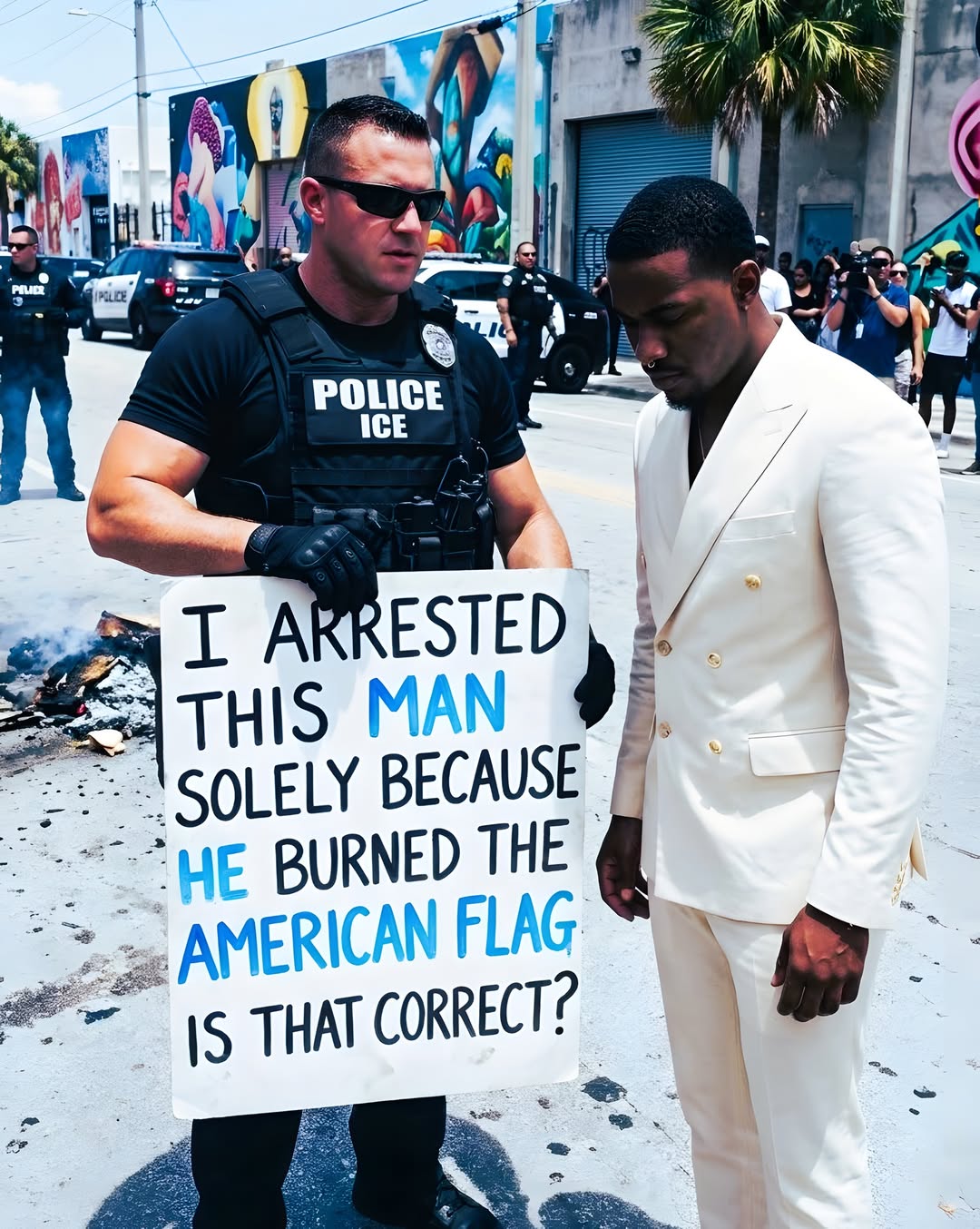
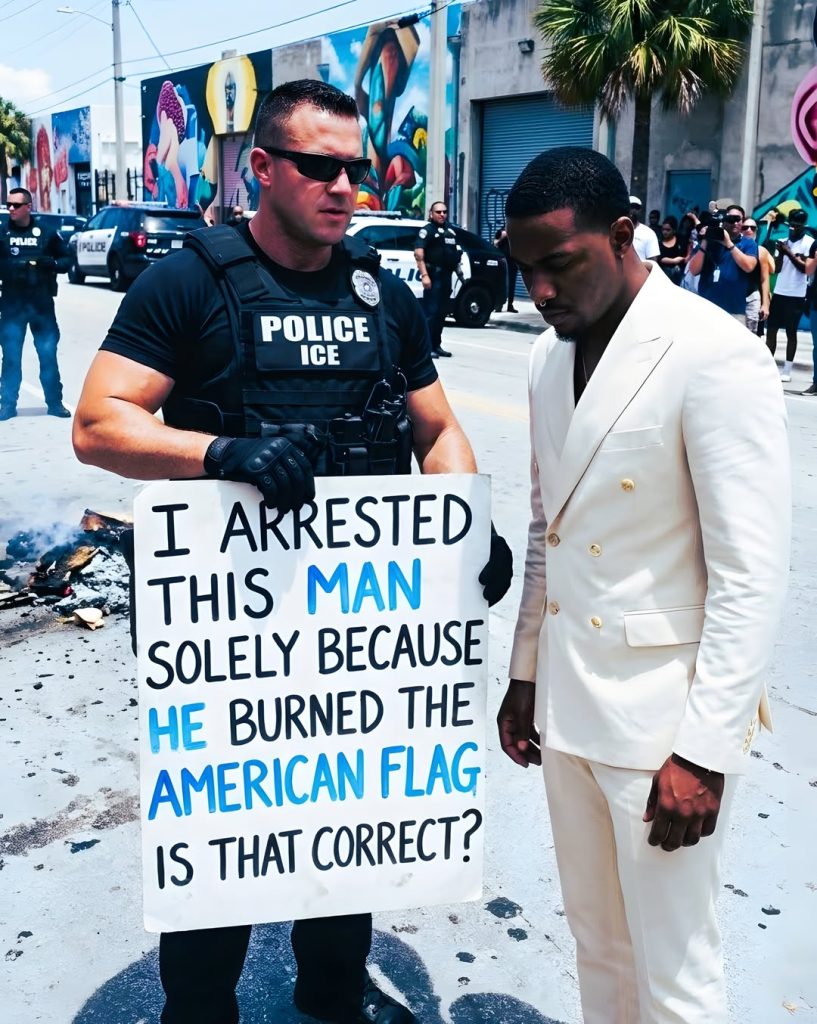 Imagine hearing that someone was arrested only for burning an American flag.
Would you immediately say, “Absolutely—that’s disrespectful”?
Or would you stop and ask, “Wait… isn’t that protected by the Constitution?”
This question has divided Americans for decades, and the answer is more complicated than many people realize. Before jumping to conclusions, it’s worth understanding why this issue continues to spark passionate debate across the country.
🇺🇸 Freedom, Patriotism, and the American Flag: Where Does the Constitution Draw the Line?
Few symbols carry as much meaning as the American flag. For millions of people, it represents freedom, sacrifice, military service, and the generations who fought to defend the United States. It flies over schools, government buildings, homes, and memorials. It is folded at military funerals and raised during national celebrations.
Because of what the flag represents, seeing it burned can provoke powerful emotional reactions. Many Americans view flag burning as deeply offensive and believe it dishonors the country and those who served it.
Others argue that one of the greatest strengths of America is protecting freedom of expression—even when that expression is unpopular or offensive.
This is where constitutional law enters the discussion.
Under current U.S. Supreme Court precedent, burning an American flag as a form of political protest is generally protected by the First Amendment. That means someone generally cannot be arrested solely because they burned a flag as expressive conduct.
However, that does not mean every situation involving flag burning is protected.
A person may still be arrested if they commit other crimes during the incident, such as:
- Trespassing on private property.
- Starting an illegal or dangerous fire.
- Damaging someone else’s property.
- Assault or threatening others.
- Violating other generally applicable laws unrelated to the message being expressed.
In other words, the legal question is often not simply whether a flag was burned, but how, where, and under what circumstances it happened.
This distinction often surprises people.
Many Americans believe respect for the flag should be protected by law because they see it as a symbol earned through generations of sacrifice. Veterans, military families, and many citizens feel that desecrating the flag crosses a moral line, even if it is legally protected.
Others believe the Constitution is strongest when it protects speech that many people dislike. They argue that limiting expression based on its content could eventually threaten other forms of speech as well.
That tension has existed for decades.
It is possible to strongly oppose flag burning while also recognizing the constitutional protections interpreted by the courts. Likewise, someone can support First Amendment protections while personally believing that burning the flag is disrespectful or harmful.
Reasonable Americans hold different views on this issue.
Ultimately, the debate raises larger questions:
- Should symbolic acts that offend many people remain constitutionally protected?
- Should patriotism be encouraged through law or through personal values?
- How should society balance freedom of expression with respect for national symbols?
These questions continue to generate discussion because they touch on two values many Americans deeply cherish: liberty and patriotism.
Understanding both perspectives doesn’t require agreeing with either one. It simply means recognizing that constitutional rights and personal beliefs do not always point in the same direction.
💬 What do you think?
Should burning the American flag remain protected as free speech under the First Amendment, or should the law provide greater protection for the flag as a national symbol? Share your thoughts respectfully and explain why. 🇺🇸