“Should Someone Be Deported for Burning the American Flag? The Answer Isn’t as Simple as Many Think.” 🇺🇸
“Should Someone Be Deported for Burning the American Flag? The Answer Isn’t as Simple as Many Think.” 🇺🇸
 The American flag is one of the nation’s most recognizable symbols. For millions, it represents freedom, sacrifice, and the values on which the country was built. Because of that, acts like flag burning often spark strong emotions and heated public debate.
But should burning the flag result in deportation? Or should it be treated as protected expression? The issue has divided Americans for decades.
Before you decide where you stand, read the full story.
🇺🇸 Flag Burning, Citizenship, and the Debate Over Free Speech
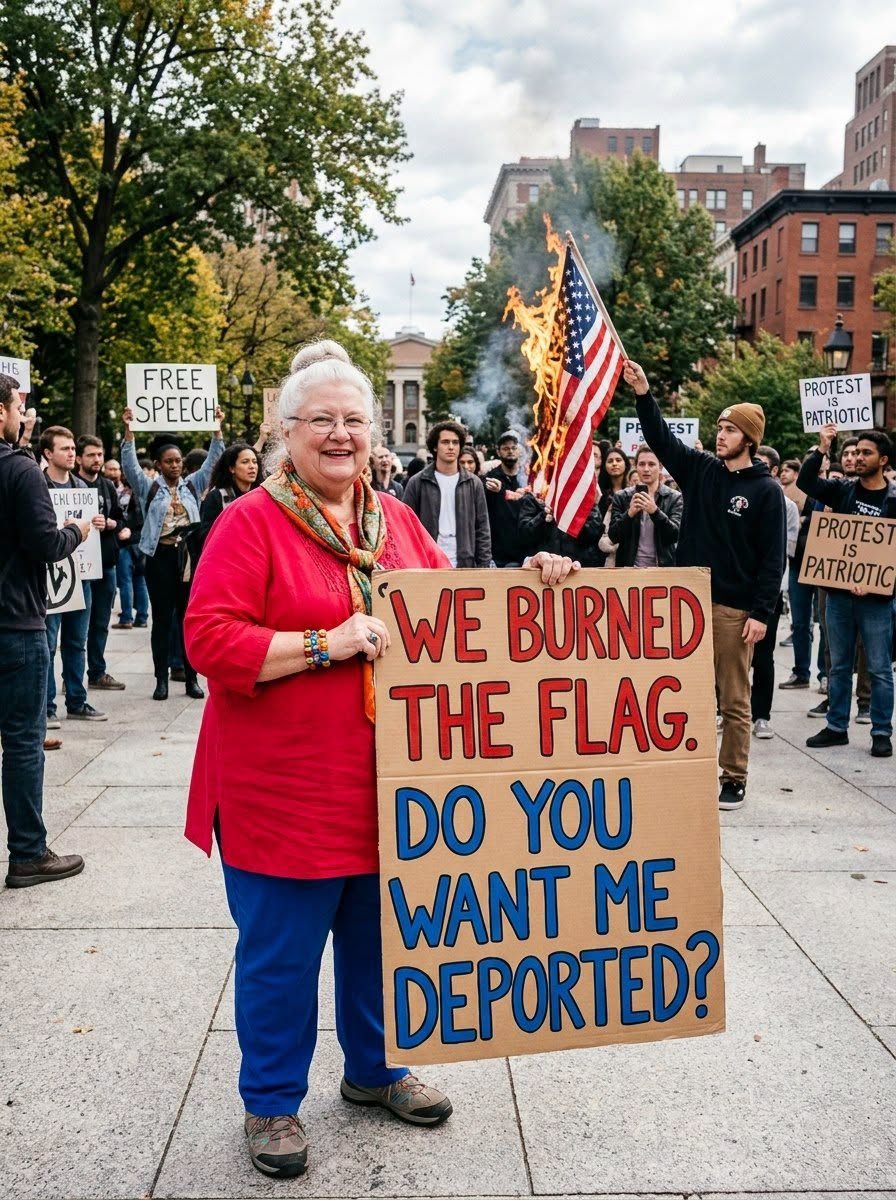
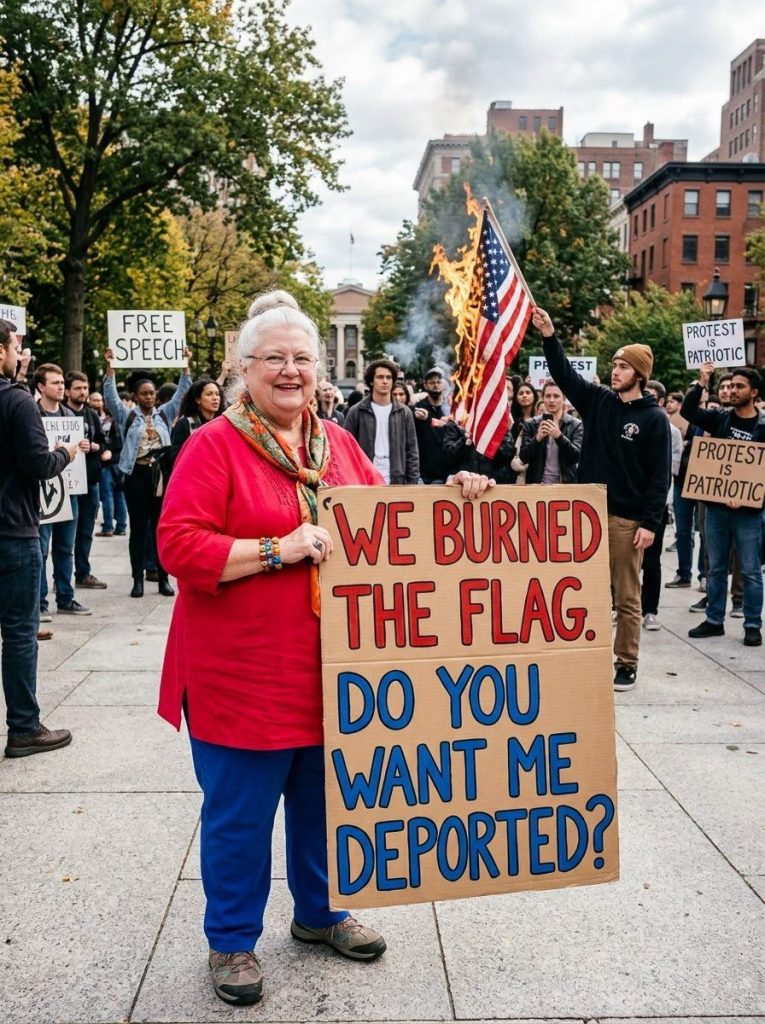
The image presents a question that has become increasingly common in discussions about patriotism, immigration, and constitutional rights: Should someone be deported for burning the American flag?
For many Americans, the answer feels straightforward. They believe the flag deserves respect because it symbolizes the sacrifices of military service members, first responders, and generations of citizens who have worked to build and defend the country. From this perspective, intentionally burning the flag is viewed as deeply offensive and incompatible with the values many associate with American citizenship.
Others approach the issue differently. They argue that one of the defining principles of the United States is the protection of free speech, including forms of expression that many people strongly disagree with or find offensive. In their view, protecting controversial speech helps safeguard everyone’s constitutional freedoms.
Under current U.S. Supreme Court precedent, burning the American flag as a form of political expression is generally protected by the First Amendment. That means flag burning itself is not automatically a crime simply because it is offensive. However, people may still face legal consequences if other laws are broken during the incident, such as trespassing, vandalism, assault, or creating a public safety hazard.
The question of deportation is separate from the question of free speech.
Whether a non-citizen can be deported depends on U.S. immigration law, not simply on whether an act is controversial or unpopular. Deportation decisions generally involve specific legal grounds established by Congress and interpreted through immigration courts. The fact that someone engages in protected expression does not, by itself, automatically make them deportable.
This distinction is one reason the issue continues to generate debate.
Some Americans believe immigration laws should be changed so that non-citizens who intentionally desecrate national symbols could face immigration consequences. They argue that respecting the nation’s symbols should be part of the responsibilities that come with living in the United States.
Others disagree, believing that constitutional protections should apply broadly and that legal immigration decisions should continue to follow existing laws rather than be based on protected political expression.
The conversation often extends beyond the flag itself.
It raises broader questions:
- What responsibilities come with living in the United States?
- Should patriotism be measured by respect for national symbols?
- How should the country balance free speech with public respect for the flag?
- Should immigration law treat certain acts differently, or should constitutional protections remain unchanged?
Reasonable people answer these questions differently, and those differences are reflected in political debates, court decisions, and public opinion across the country.
Regardless of where someone stands, many Americans agree on one point: the American flag carries deep meaning. For some, it represents the freedoms protected by the Constitution—including the freedom to express unpopular opinions. For others, it represents the sacrifices of those who defended the nation and deserves special legal protection.
As with many constitutional questions, balancing liberty, patriotism, and the rule of law remains an ongoing discussion in American society.
💬 What do you think?
Do you think existing laws strike the right balance between free speech and respect for the American flag, or should the law be changed? Share your opinion respectfully and join the conversation. 🇺🇸