“They Gave Everything for America… But Will Future Generations Even Remember Their Names?”
“They Gave Everything for America… But Will Future Generations Even Remember Their Names?”
 Freedom has never been free.
Behind every flag flying proudly in the wind are men and women who accepted risks most of us will never face. Some returned home to their families. Others made the ultimate sacrifice, leaving behind loved ones, dreams, and futures so that millions of Americans could continue living in freedom.
This image asks a question that deserves reflection—not just on holidays, but every day.
🇺🇸 The Price of Freedom Is Measured in People, Not Politics
Every Memorial Day and Veterans Day, Americans gather in cemeteries, place flags beside graves, and pause for a moment of silence. For many, these traditions are more than ceremonies—they are reminders that the freedoms enjoyed today came at a tremendous human cost.
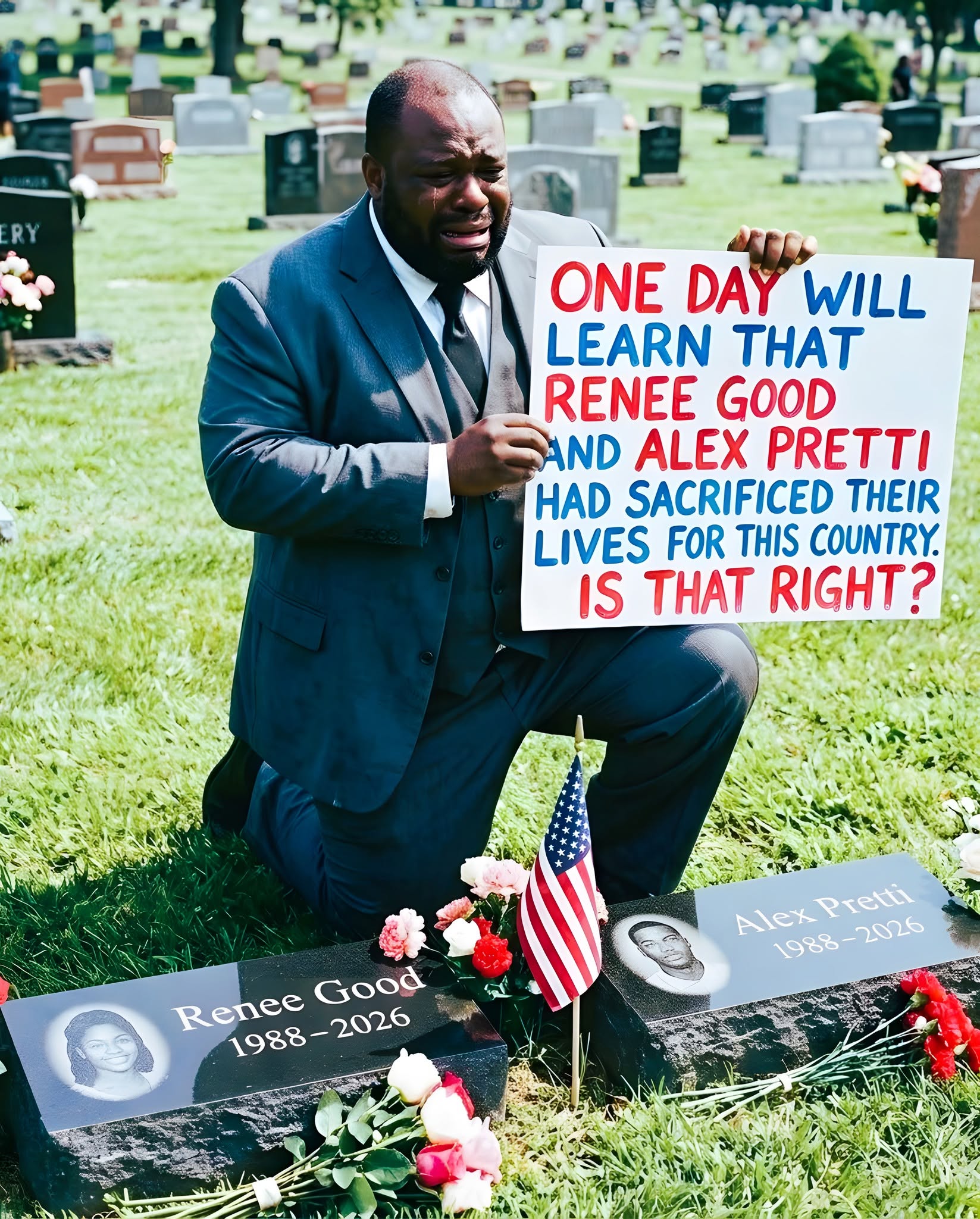
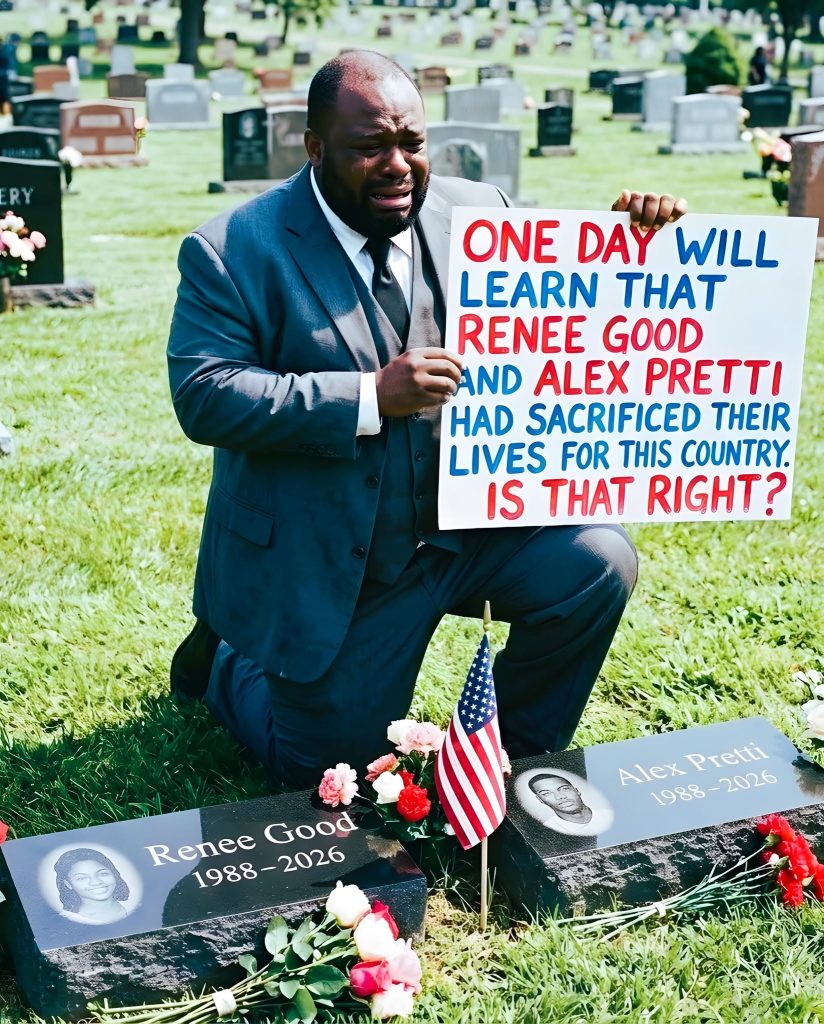
The image depicts a grieving individual kneeling beside military graves while holding a sign that asks whether future generations will learn about those who sacrificed their lives for the country. Whether or not the names shown are real, the broader message speaks to a question many Americans ask: How should we remember those who gave their lives in military service?
Throughout American history, service members have answered the call during times of war, conflict, and national emergency. They came from every state, every race, every religion, and every walk of life. Some were only a few years out of high school. Others left behind spouses, children, parents, and lifelong friends.
For the families of those who never came home, remembrance is not confined to a single holiday. Every birthday missed, every family gathering, every graduation, and every anniversary is another reminder of someone who is no longer there.
Many Americans believe that honoring fallen service members means more than simply placing flowers at a gravesite. It means teaching future generations about the sacrifices that helped shape the nation, supporting veterans who returned home, caring for military families, and preserving the stories of those who served.
Others also point out that remembering sacrifice should include reflecting thoughtfully on the costs of war and the importance of seeking peace whenever possible. Honoring military service and hoping to avoid future conflicts are not mutually exclusive ideas.
Regardless of political beliefs, most Americans can agree on one point: those who volunteered to serve their country deserve to be remembered with dignity and respect.
A nation’s history is carried forward by its people. If the stories of sacrifice are forgotten, future generations may lose sight of the responsibilities that come with freedom and citizenship.
The American flag represents many different ideas to many different people, but for countless military families, it also represents loved ones who never returned home. Their absence is the reason remembrance matters.
Perhaps the greatest tribute we can offer is not simply visiting a cemetery once a year, but ensuring that the courage, service, and humanity of those who sacrificed are never forgotten.
💬 What do you think?
How should America best honor the men and women who gave their lives in military service? Should schools spend more time teaching their stories, or are current traditions enough? Share your thoughts respectfully. 🇺🇸