Discussions about school meal policies are increasingly becoming conversations about something larger than food.
 Discussions about school meal policies are increasingly becoming conversations about something larger than food.
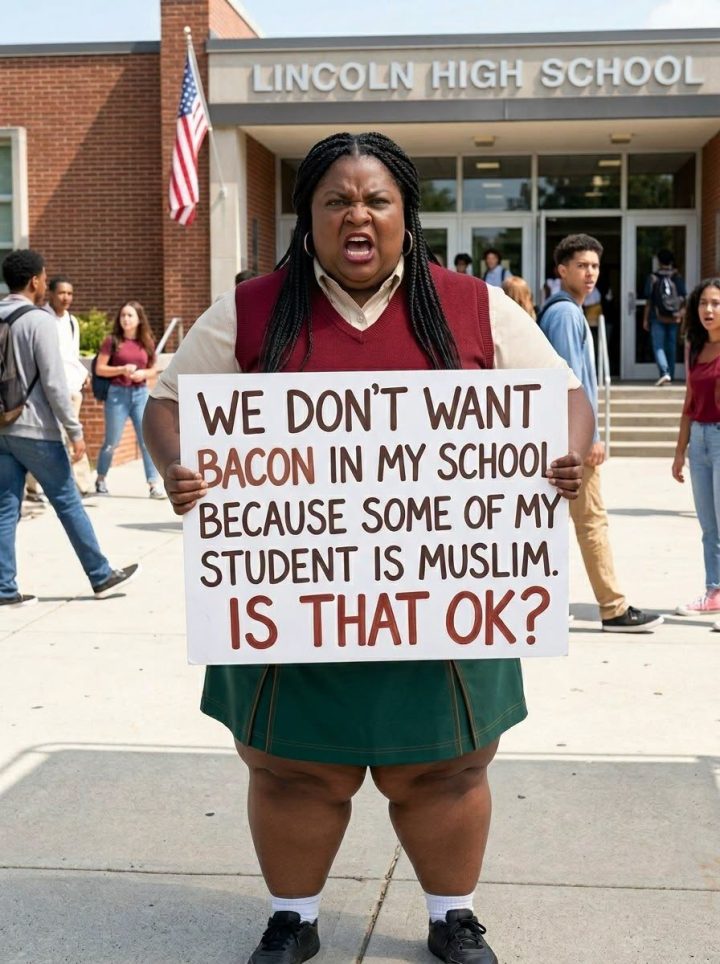
In some communities, debates have emerged over how schools should accommodate students from different religious and cultural backgrounds. While many people support offering halal, kosher, vegetarian, or other alternative meal options, disagreements sometimes arise when changes to existing menus are proposed.
Supporters of accommodation efforts argue that schools should strive to make all students feel included and respected, regardless of their faith or background. From that perspective, adjusting menus or expanding options can be seen as a practical way to meet the needs of a diverse student population.
Others believe accommodations work best when they add choices rather than replace familiar menu items. They argue that public institutions should balance inclusion with preserving traditions and preferences that have long been part of the broader community.
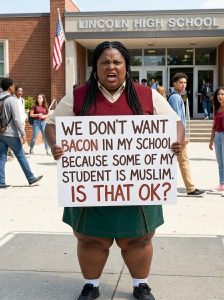
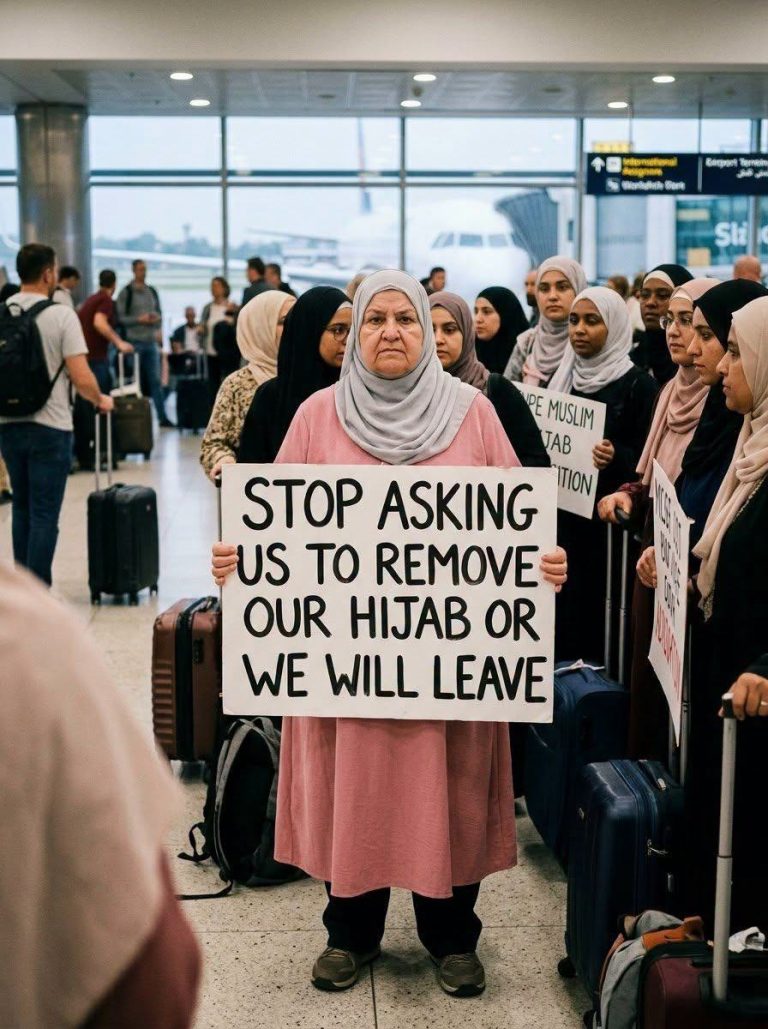
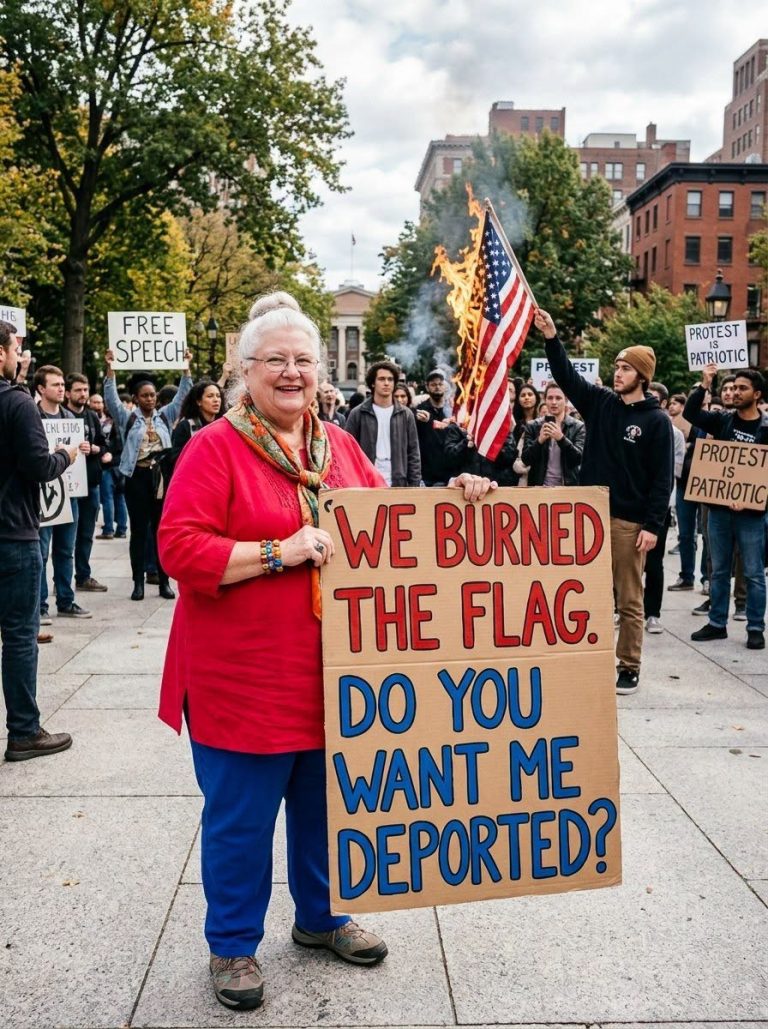
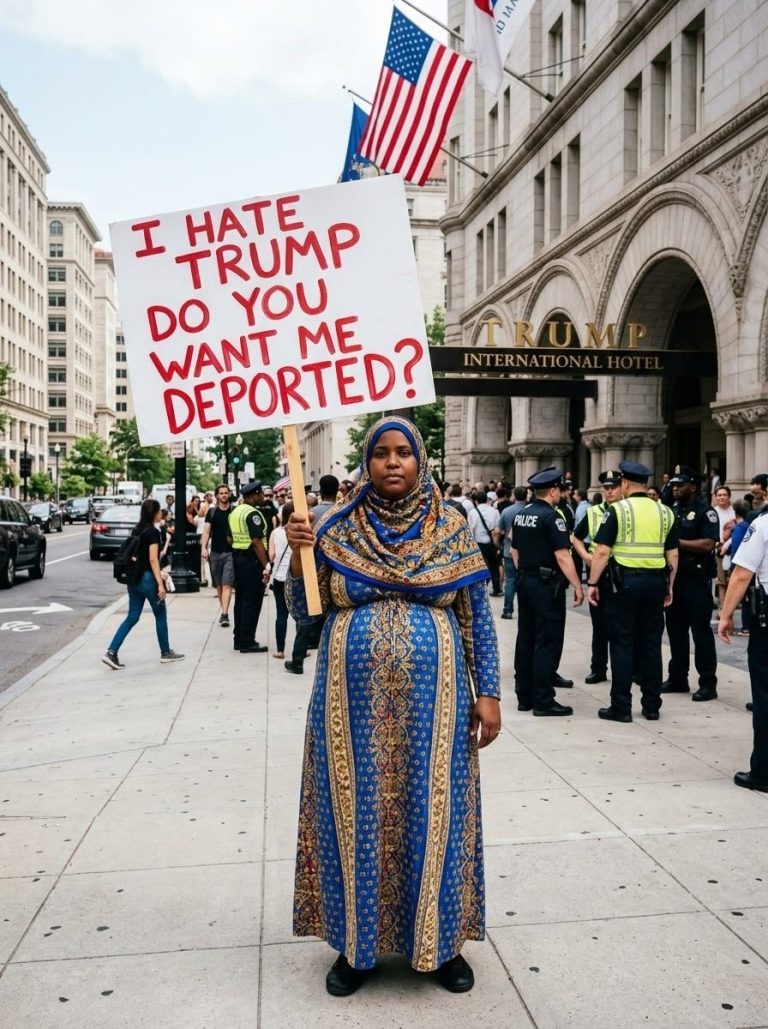
As a result, debates that begin with something as simple as a breakfast menu often evolve into wider conversations about culture, identity, integration, and how diverse societies navigate competing expectations.
For many people, the real question is not about any single food item. It is about how communities can respect different beliefs while ensuring that everyone feels represented and included.
That is why these discussions continue to generate strong opinions online. What starts as a conversation about school meals often becomes a broader discussion about coexistence, accommodation, and the challenges of balancing many perspectives within a shared public space.