“Where Should Personal Freedom End and Respect for Others Begin? One Sign Is Asking a Question Many Americans Have Never Considered.”
“Where Should Personal Freedom End and Respect for Others Begin? One Sign Is Asking a Question Many Americans Have Never Considered.”
 Imagine you’re quietly praying, reading, or reflecting—and loud noises keep interrupting you.
Now imagine your neighbor is simply going about their normal day, unaware they’re disturbing you.
Who should adjust?
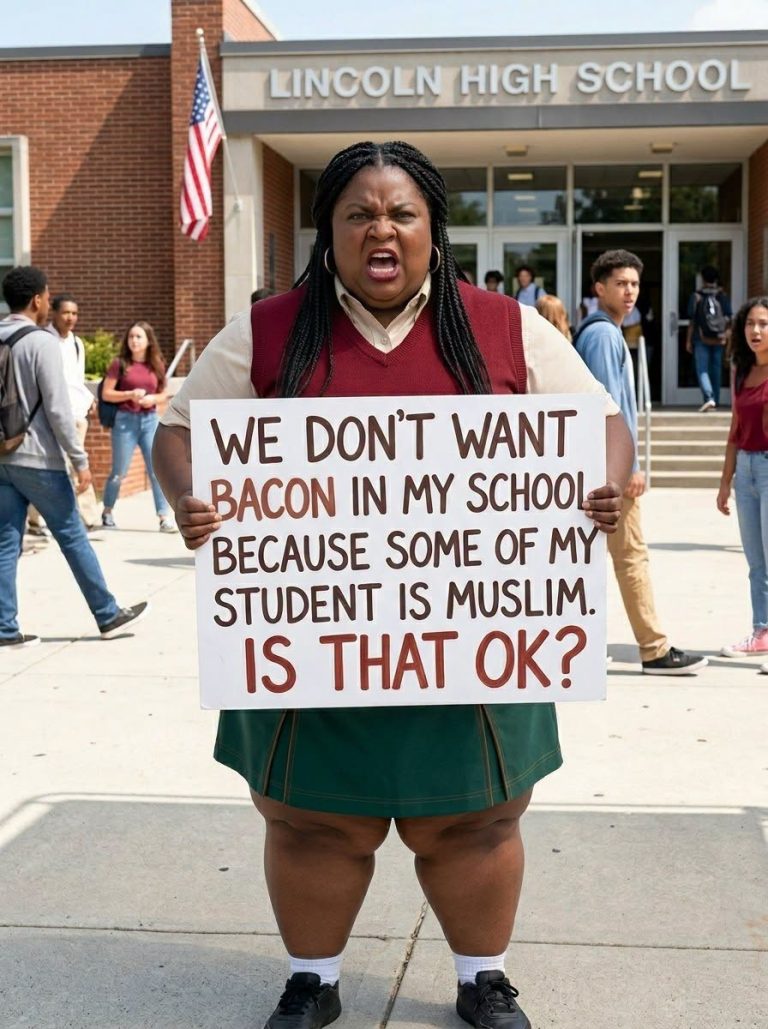
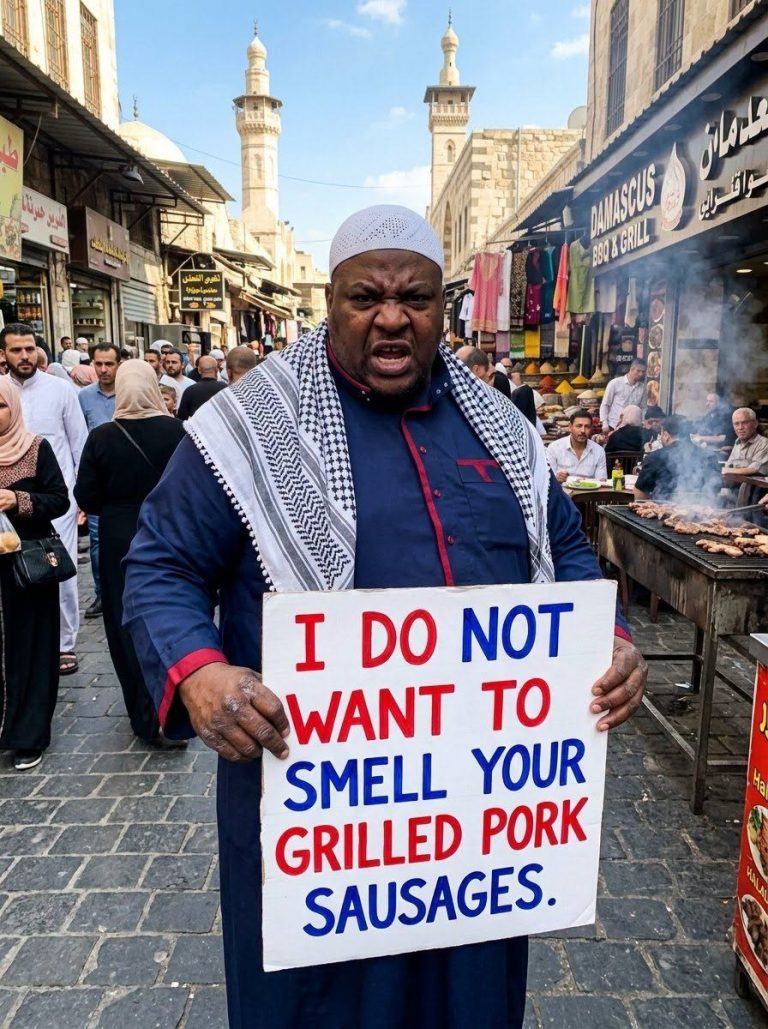
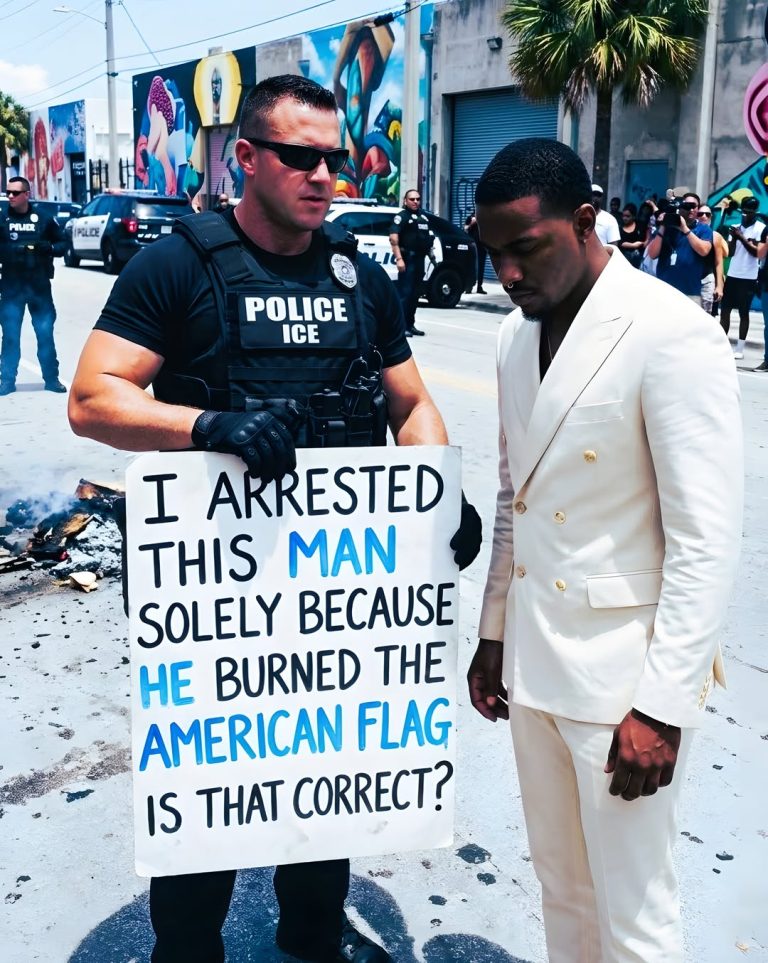
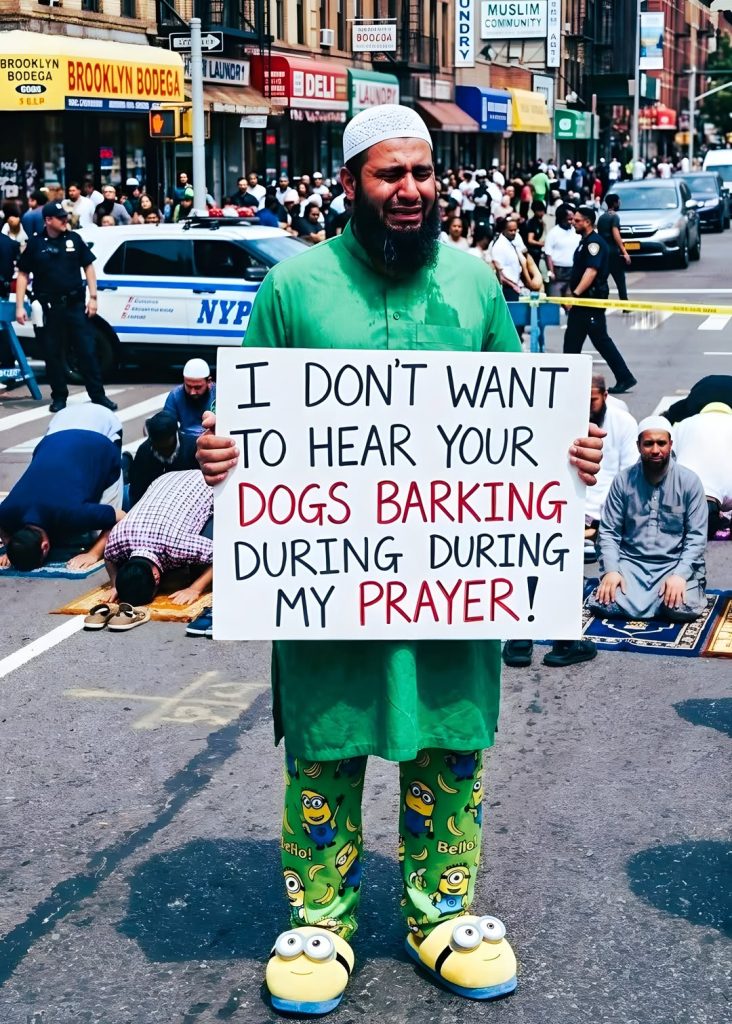
This image raises a broader question about religious freedom, public spaces, personal responsibility, and how people with different lifestyles share the same communities. It’s a conversation that goes beyond one religion or one neighborhood.
Before forming an opinion, consider both sides.
🇺🇸 Religious Freedom, Public Spaces, and Living Together in a Diverse Society
The United States is home to people from virtually every religion, culture, and background in the world. That diversity is one of the country’s defining characteristics, but it also means people often have different expectations about how public spaces should be used.
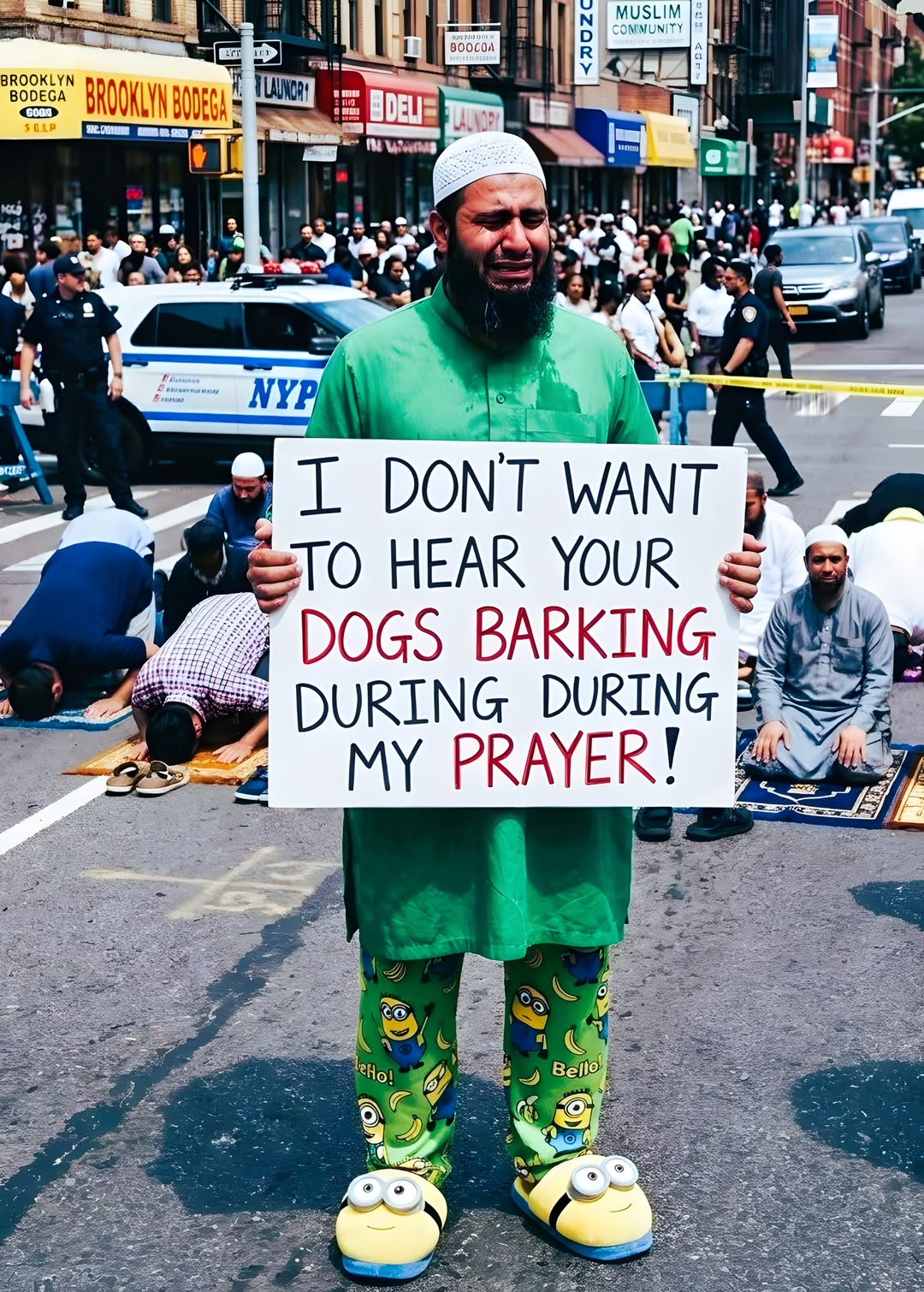
The message shown in the image expresses frustration about hearing dogs bark during prayer. Whether someone is praying in a mosque, church, synagogue, temple, or privately outdoors, interruptions can make it difficult to concentrate on something deeply meaningful to them.
Many people, regardless of faith, can understand wanting peace and quiet during moments of worship.
At the same time, dogs are a normal part of everyday life in America. Millions of families own pets, and barking is a natural behavior that cannot always be prevented. Responsible owners often try to reduce excessive barking through training, supervision, or local noise rules, but occasional barking is part of living in neighborhoods and public spaces.
This raises an important question.
Should everyone around a religious gathering be expected to change their normal activities, or should those participating in the gathering recognize that public spaces are shared by people with many different lifestyles?
Supporters of stronger accommodations for religious practices argue that communities should show courtesy whenever possible. If people know a nearby religious event is taking place, making small efforts to reduce unnecessary noise can be seen as a gesture of respect and good neighborliness.
Others believe respect should go both ways. They argue that people praying in public should also recognize that streets, parks, and sidewalks are shared spaces where traffic, conversations, construction, pets, and everyday life continue. From this perspective, mutual understanding—not special treatment—is the best solution.
American law generally protects both religious freedom and ordinary lawful activities. People have the right to practice their religion, and others have the right to engage in lawful daily activities, provided they do not violate local laws such as excessive noise ordinances or public safety regulations.
Because of this balance, many communities solve these situations not through legal conflict but through communication and courtesy.
Neighbors often find practical solutions by talking with one another, adjusting schedules when possible, or showing consideration without giving up their own rights.
Ultimately, living in a diverse society means encountering people whose customs, beliefs, and routines differ from our own. One family’s prayer time may coincide with another family’s walk with their dog. One person’s religious observance may occur near another person’s daily commute.
Respect does not necessarily require everyone to live the same way. It often means recognizing that freedom works best when people extend patience, courtesy, and understanding to one another.
The strength of America has long rested on its ability to protect individual liberty while encouraging neighbors with different beliefs to live peacefully side by side.
💬 What do you think?
When religious activities take place in shared public spaces, should others make extra efforts to reduce disruptions, or should everyone simply continue their normal daily activities while respecting one another’s rights? Share your opinion respectfully and explain your reasoning. 🇺🇸